The Ha Giang Easy Rider: Your Gateway to the Edge of the World
1. The Genesis of a Legend
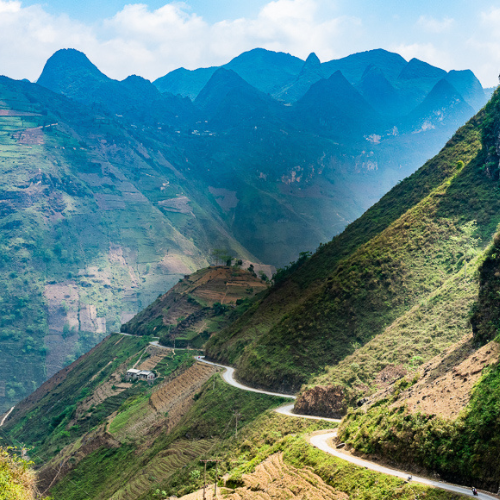
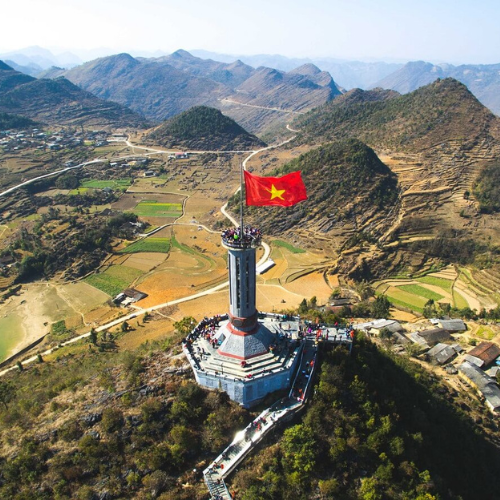
Ha Giang, the northernmost frontier of Vietnam, is a landscape defined by verticality. Here, the “Ma Pi Leng” pass carves through limestone peaks like a silver ribbon, and the “Road of Happiness” twists in ways that defy modern engineering. For decades, this terrain was the exclusive playground of seasoned professional riders and local ethnic minorities. However, as the world discovered the “Ha Giang Loop,” a unique service emerged to bridge the gap between daunting terrain and the average traveler: The Easy Rider.
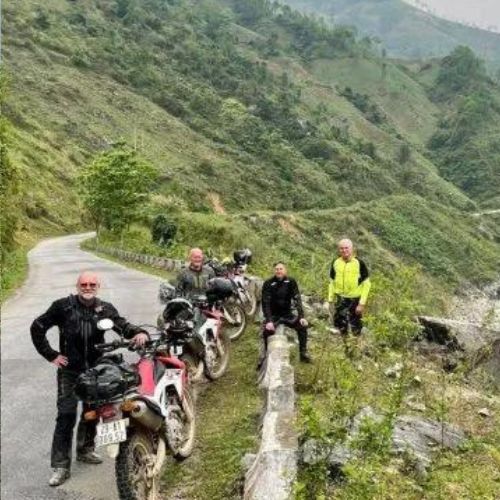
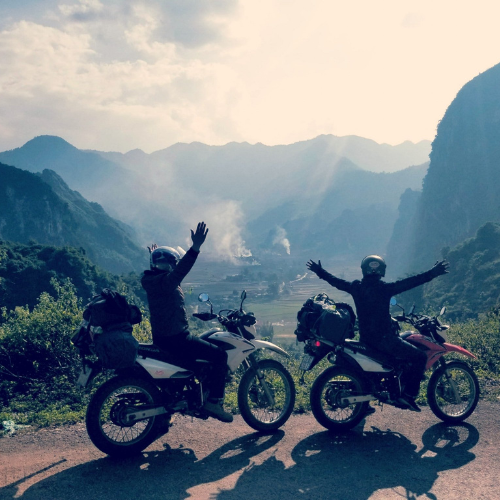
An “Easy Rider” is not just a driver. In the context of Ha Giang, they are navigators, cultural ambassadors, photographers, and guardians. They are the local experts who steer the bike while you, the pillion passenger, soak in the 360-degree majesty of the Dong Van Karst Plateau Geopark.
2. Why Choose an Easy Rider Over Self-Driving?
While the romanticized image of riding a semi-automatic bike yourself is tempting, the reality of Ha Giang’s roads is sobering. The “Easy Rider” service has become the gold standard for several critical reasons:
-
Safety First: The loops consist of thousands of hairpin turns, steep gradients, and unpredictable weather. Easy Riders are locals who have traversed these paths thousands of times. They know which corners hide loose gravel and which stretches become slippery after a mountain mist.
-
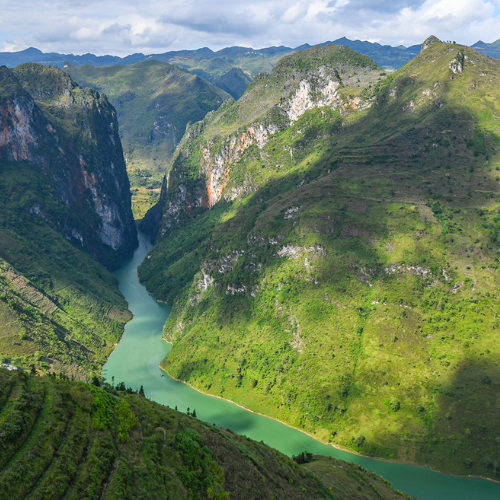
Visual Liberation: When you drive yourself, your eyes must be glued to the asphalt. When you sit behind a professional, your eyes are free to wander. You can look up at the towering cliffs, down into the turquoise Nho Que River, and across into the terraced hemp fields without the risk of overshooting a cliff.
-
The “Human” GPS: Google Maps often fails in the deep canyons of Meo Vac or the hidden trails of Du Gia. Easy Riders know the secret viewpoints, the “lonely trees,” and the unofficial paths to local homes that aren’t on any digital map.
3. The Cultural Bridge: More Than a Taxi
The true value of an Easy Rider lies in the cultural immersion. Most riders belong to local ethnic groups—H’mong, Tay, or Dao.
When you stop at a local market, your rider isn’t just waiting by the bike; they are explaining the significance of the colorful H’mong dresses or helping you taste Thang Co (a traditional horse meat soup) for the first time. They act as translators, allowing you to have genuine conversations with mountain children or village elders. This transforms a “sightseeing trip” into a “human experience.”
4. What Does the Service Typically Include?
The modern Ha Giang Easy Rider industry is highly organized. When you book a “Loop Tour” with a driver, you aren’t just paying for a seat; you are paying for a curated ecosystem:
-
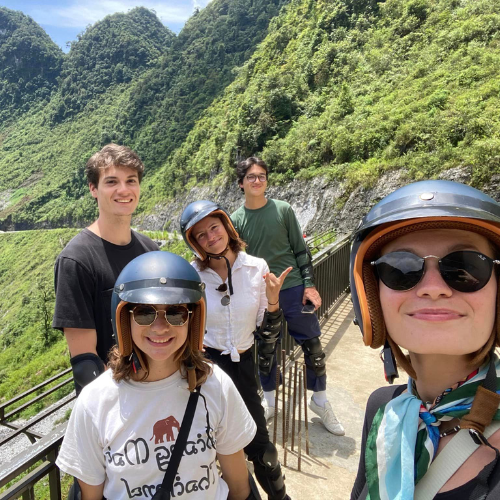
The Equipment: High-quality helmets, knee and elbow guards, and waterproof ponchos are standard.
-
The Logistics: Your heavy luggage is usually sent ahead via a “luggage bus” or strapped securely to the back of the bike, leaving you unencumbered.
-
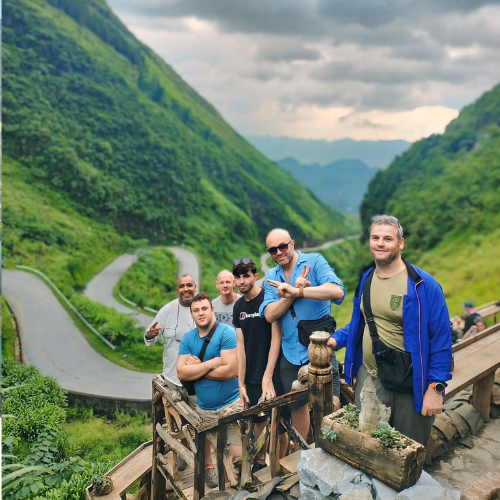
The “Paparazzi” Factor: Perhaps the most beloved “hidden” service is their photography skill. These riders know exactly where to stand to get that perfect “edge-of-the-world” shot, and they are experts at handling iPhones and DSLRs alike.
5. A Typical Day on the Back of a Bike
The day usually starts early, around 8:00 AM, as the mist still clings to the Twin Mountains of Quan Ba. You hop on the back of a sturdy 110cc to 150cc bike. The vibration of the engine becomes a meditative hum.
By noon, you are likely at a remote homestay eating “Family Dinner” style. By afternoon, you’re descending into the Tu San Canyon. Throughout the day, your rider might tap your knee and point to a hidden waterfall or a group of locals harvesting corn on a 45-degree slope—sights you would almost certainly miss if you were focused on shifting gears.
6. Sustainability and Supporting the Local Economy
By hiring an Easy Rider, you are directly contributing to the local economy. Many of these young men and women previously relied on subsistence farming. Tourism has provided a path to learning English, gaining mechanical skills, and bringing income back to their remote villages. It is one of the most direct ways to ensure your travel dollars stay within the community you are visiting.
7. Preparation Tips for Your Journey
To make the most of your Easy Rider experience, keep these tips in mind:
-
Trust the Rider: They know the limits of the bike and the road. If they say it’s time to slow down, listen.
-
Communication: Even if their English is basic, a few Vietnamese phrases or a translation app goes a long way.
-
Gear Up: Even though you aren’t driving, the wind chill at the top of the passes is real. Bring layers!
Conclusion
The Ha Giang Easy Rider is the unsung hero of Vietnamese tourism. They provide the “wings” for travelers to fly through the northern highlands safely and soulfully. It is an intimate way to travel—two people, one machine, and miles of limestone giants. If Ha Giang is the “Final Frontier” of Vietnam, the Easy Rider is the captain of your ship.