The Soul of the Stone Plateau: A Tribute to the People of Ha Giang
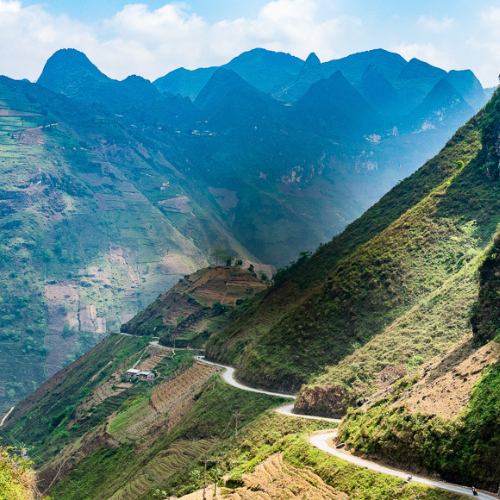
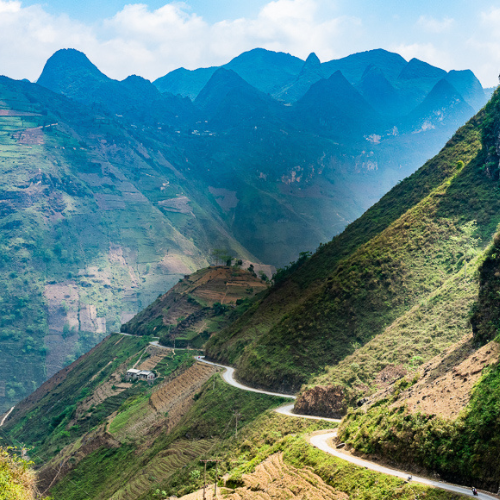
Ha Giang is often defined by its legendary loops, gravity-defying mountain passes, and the “grey paradise” of the Dong Van Karst Plateau. However, the true heartbeat of Vietnam’s final frontier isn’t found in the limestone peaks, but in the resilient, colorful, and soulful people who call this rugged landscape home. With over 22 ethnic groups living together, Ha Giang is a living museum of human adaptability and cultural preservation.
Meet the People Who Make Ha Giang Unforgettable
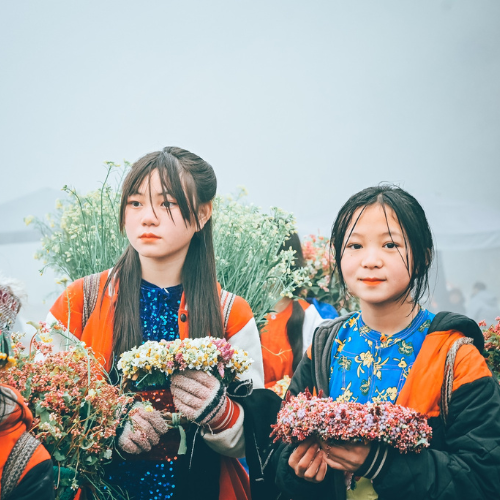
The people of Ha Giang are the soul of the region. Many ethnic groups live together in harmony. Each group has its own traditions and attire. Locals are known for their hospitality. Daily life is closely connected to nature. Visitors are often welcomed warmly. Cultural pride is strong among communities. Meeting locals makes the journey meaningful.
Warm Smiles & Ancient Traditions of Ha Giang
Ha Giang is home to diverse ethnic minorities. Their lifestyles reflect centuries-old traditions. Farming and craftsmanship shape daily routines. Traditional clothing is worn with pride. Visitors gain insight into rural life. Conversations are simple but heartfelt. Cultural exchange is natural here. The people leave lasting memories.
Warm Smiles & Ancient Traditions of Ha Giang
What truly defines Ha Giang is its people. Their resilience and warmth stand out. Life in the mountains is challenging yet fulfilling. Locals value community and tradition. Guests are treated with kindness. Cultural interactions enrich every visit. Stories are shared through smiles and gestures. The people of Ha Giang make the destination unforgettable.
The H’Mong: Architects of the Stone
The H’Mong are the largest ethnic group in Ha Giang and arguably the most iconic. If you see corn growing out of a tiny crack in a rock or a house perched on a cliffside, you are likely in H’Mong territory.
-
Mastery of the Rock: They are famous for “rock pocket farming.” Since soil is scarce, they carry earth in baskets to fill small holes in the limestone to plant corn.
-
The Trinh Tuong Houses: These traditional “earthen wall” houses are built by hand-tamping clay. They are designed to be cool in the blistering summer and warm during the freezing mountain winters.
-
The Linen Legacy: H’Mong women are master weavers. They transform flax into durable linen, dyed with deep indigo and decorated with intricate batik patterns that tell stories of their ancestors.
The Tay: Serenity by the Stream
While the H’Mong dominate the heights, the Tay people usually settle in the lush valleys near flowing water. If you stay in a homestay in Thon Tha or Ha Thanh (near Ha Giang city), you are experiencing Tay hospitality.
-
Houses on Stilts: Unlike the H’Mong who live on the ground, the Tay build beautiful wooden houses on stilts with palm-leaf roofs.
-
The “Then” Singing: The Tay possess a rich spiritual life, often expressed through Then singing—a form of ritual music performed with a Tinh lute, believed to bridge the gap between humans and the heavens.
-
Cuisine: They are the masters of Com Lam (bamboo-tube rice) and various types of colorful sticky rice.
The Lo Lo: Guardians of Ancient Traditions
Based primarily in Lung Cu and Meo Vac, the Lo Lo are one of Vietnam’s smallest ethnic groups, yet they possess one of the most vibrant cultures.
-
Exquisite Attire: The Lo Lo Flower (Lo Lo Hoa) women wear perhaps the most complex traditional outfits in the region—brightly colored patchwork and embroidery that can take months to complete.
-
Bronze Drums: They are one of the few groups that still use ancient bronze drums in their sacred ceremonies, a symbol of power and connection to the earth.
The Resilience of Spirit
Life in Ha Giang is not easy. The terrain is harsh, the weather is unpredictable, and modern conveniences are often miles away. Yet, the people of Ha Giang carry a quiet, unwavering strength.
-
The Smile of the Highlands: Despite the physical toll of mountain life, visitors are almost always greeted with a genuine smile. There is a profound sense of contentment that radiates from the local children playing with handmade toys or the elders sharing a pipe of tobacco.
-
Community Bonds: In these remote villages, “neighbor” isn’t just a word; it’s a survival strategy. Whether it’s building a new house or harvesting a crop, the community works as one.
The Market Culture: Where Life Happens
To truly see the people of Ha Giang, you must visit a Sunday Market (like Dong Van or Meo Vac).
-
More Than Trading: These markets aren’t just for buying groceries. They are social hubs. People travel from dawn, crossing mountain ridges, just to meet friends, find a partner, or enjoy a bowl of Thang Co (horse stew).
-
A Riot of Color: The markets transform the grey landscape into a kaleidoscope of colors as women from different tribes wear their finest traditional dresses.
Sustainable Tourism and Respect
As Ha Giang becomes a global bucket-list destination, the relationship between travelers and locals is more important than ever.
-
Ask Before You Snap: While the people are photogenic, always ask for permission before taking a photo. A simple nod and a smile go a long way.
-
Support Local: Buy authentic textiles directly from the weavers and stay in local homestays. Your money helps preserve these ancient ways of life.
Conclusion
The limestone mountains of Ha Giang are breathtaking, but they are static. It is the people—the H’Mong, Tay, Dao, and Lo Lo—who breathe life, color, and history into the rock. When you travel the Ha Giang Loop, don’t just look at the view. Stop, listen, and learn from the people who have turned this “grey desert” into a vibrant home.