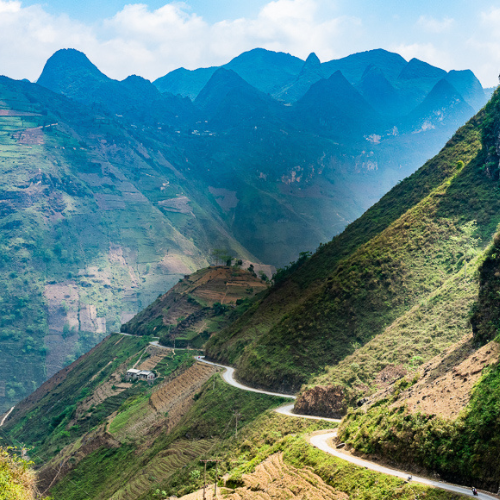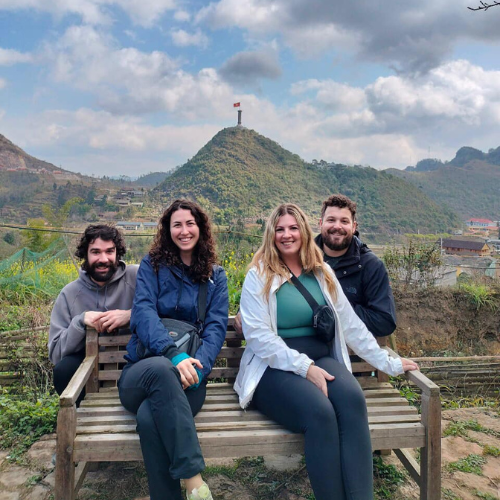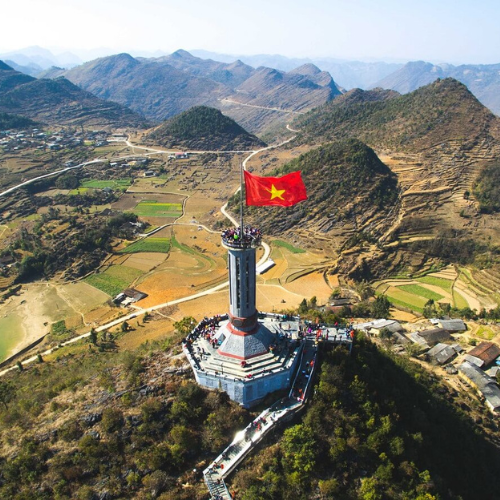
Ha Giang’s weather plays a key role in shaping the travel experience. Located in Vietnam’s far north, the region enjoys four distinct seasons, each offering a different charm. The best time to travel to Ha Giang is from September to November, when the weather is cool, dry, and clear. This period is famous for golden rice terraces and comfortable riding conditions. From March to May, Ha Giang enters spring with mild temperatures and blooming flowers across the mountains. Summer months bring lush green landscapes but also occasional heavy rain. Winter, from December to February, is cold and misty, creating dramatic scenery. Choosing the right season ensures safer roads and better visibility. Overall, Ha Giang is a year-round destination with seasonal highlights.
Best Time to Travel to Ha Giang for Scenic Views
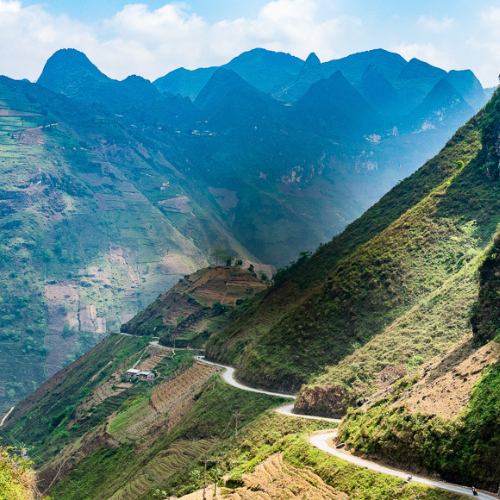
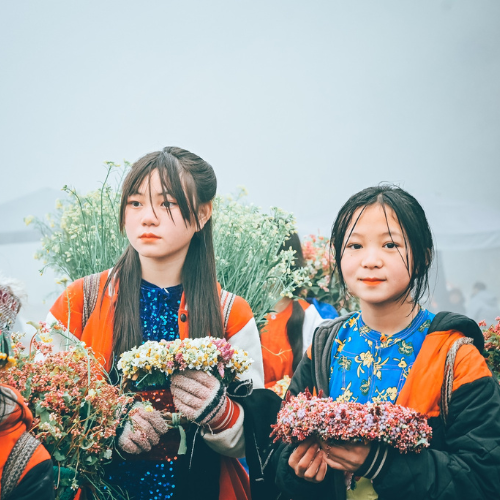
Ha Giang is at its most beautiful when the skies are clear and the mountains stretch endlessly into the distance. October and November are considered peak months due to stable weather and breathtaking scenery. During this time, daytime temperatures are cool and nights are pleasantly crisp. Spring months offer fresh air and colorful blossoms in ethnic villages. Rainfall is low, making mountain roads safer and more enjoyable. Summer showcases deep green valleys and flowing rivers, perfect for photography lovers. However, afternoon showers may affect travel plans. Winter brings fog and cold winds but also a unique, cinematic atmosphere. Each season offers a distinct visual experience.
Ha Giang Weather by Season – What Travelers Should Know
Understanding Ha Giang’s seasonal weather helps travelers plan a smoother journey. Spring (March–May) features mild temperatures and blooming landscapes, ideal for cultural exploration. Summer (June–August) is warm and green but may include heavy rain in short bursts. Autumn (September–November) is the most popular season, known for golden rice fields and excellent road conditions. Winter (December–February) can be cold, especially at night, with misty mornings. Temperatures may drop significantly in high mountain areas. Proper clothing and preparation are essential during colder months. Weather conditions directly affect road safety in mountainous terrain. Planning around seasons ensures both comfort and safety.
Best Time for the Ha Giang Loop Experience
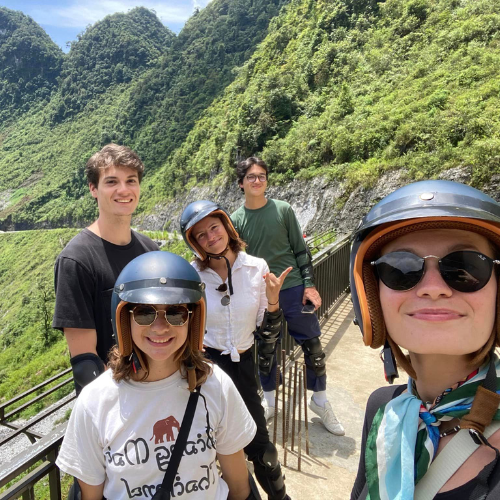
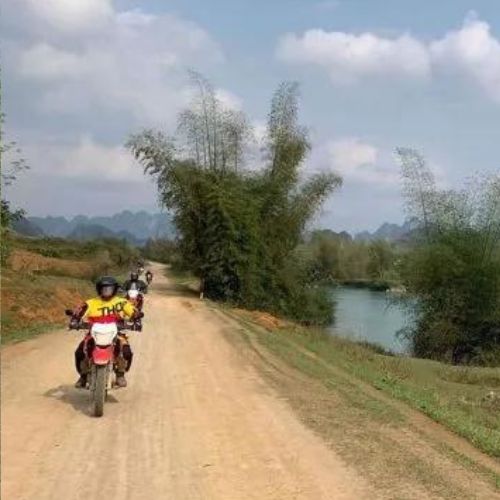
For travelers planning the Ha Giang Loop, timing matters. The best months are September to November and March to April, when weather conditions are stable. These periods offer cooler temperatures and less rain, ideal for long riding days. Visibility is excellent, making mountain passes and viewpoints even more impressive. Roads are generally dry, reducing safety risks. Summer rides can still be rewarding but require flexibility due to weather changes. Winter rides offer dramatic landscapes but demand warm gear and experience. Choosing the right season enhances both safety and enjoyment. A well-timed trip transforms the loop into an unforgettable adventure.
When to Visit Ha Giang for Culture, Nature & Adventure
Ha Giang’s climate supports a wide range of travel experiences throughout the year. Autumn is perfect for travelers seeking cultural festivals and rice harvest scenes. Spring attracts visitors with flower blooms and pleasant temperatures. Nature lovers enjoy summer’s vibrant greenery and waterfalls. Adventure seekers prefer dry seasons for motorbike journeys. Winter appeals to photographers looking for misty valleys and dramatic mountain moods. Each season offers unique activities and landscapes. Knowing what you want from the trip helps determine the best time to visit. With proper planning, Ha Giang delivers memorable experiences in any season.