Lung Cam Village, Ha Giang – A Timeless Cultural Treasure in the Karst Plateau
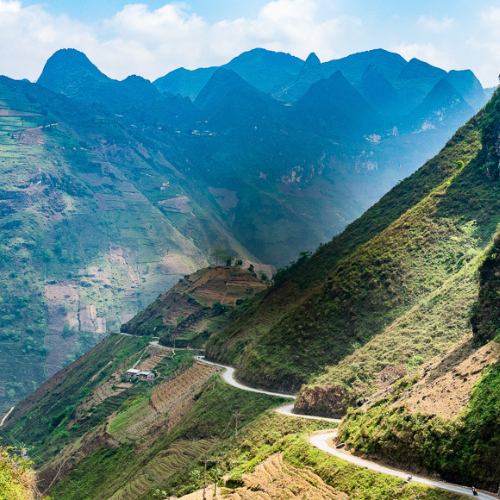
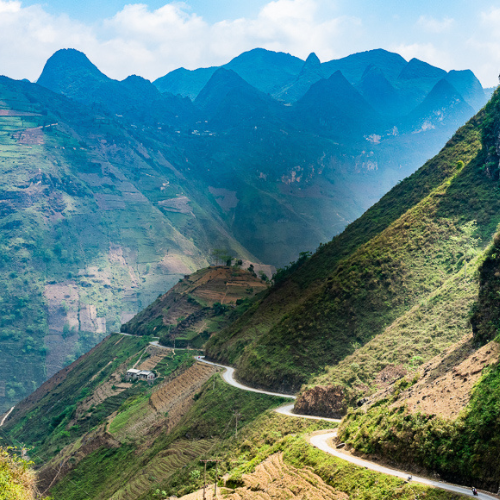
Nestled in the poetic Sung La Valley of Ha Giang, Lung Cam Village is one of the most beautiful and culturally significant ethnic villages in northern Vietnam. Surrounded by dramatic limestone mountains and vibrant flower fields, this peaceful H’Mong village offers visitors an authentic glimpse into traditional highland life.
Lung Cam is especially famous for its well-preserved ancient houses built from clay and stone, some of which are over a century old. The most iconic house in the village was featured in the Vietnamese film “The Story of Pao”, making it a cultural landmark that attracts photographers and film lovers alike. The architecture reflects the resilience and creativity of the H’Mong people, perfectly adapted to the rocky terrain and harsh mountain climate.
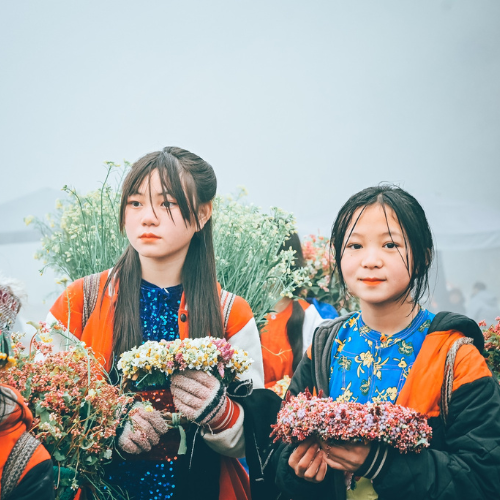
Walking through Lung Cam feels like entering a living museum. Narrow stone paths connect earthen homes, wooden gates, and peaceful courtyards where daily life unfolds naturally. Women dressed in colorful handmade costumes skillfully embroider textiles, while farmers work in terraced cornfields carved into the mountainside.
During buckwheat flower season, the entire valley transforms into a sea of soft pink and white blossoms, creating one of the most breathtaking landscapes in Ha Giang. The contrast between delicate flowers and rugged karst peaks makes Lung Cam a dream destination for photographers and nature lovers.
Beyond its scenery, what truly defines Lung Cam is its cultural authenticity. The village remains genuine and community-oriented, offering travelers meaningful encounters rather than commercialized experiences. Visitors can learn about local customs, traditional farming practices, and the spiritual beliefs that shape H’Mong life.
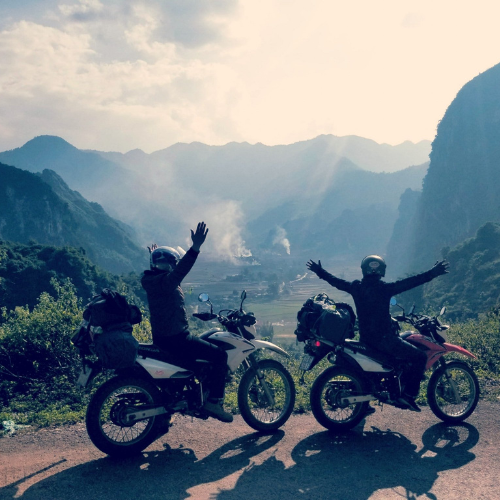
Located just a short drive from Dong Van Old Quarter and along the famous Ha Giang Loop, Lung Cam Village is an essential stop for those seeking cultural depth, scenic beauty, and a deeper understanding of Vietnam’s northern ethnic heritage. It is not merely a place to visit—but a story to experience.